Analysis on Nigeria’s Social Security Situation
Based on monitoring reports from Hanwei International security officers stationed in West Africa and comprehensive media coverage, a total of 78 security incidents were recorded across Nigeria in April 2026.
I. Comprehensive Analysis of Security Incidents
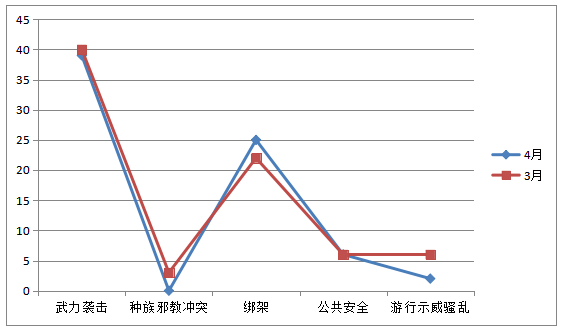
Armed attacks: 39 cases (50%)
Armed kidnappings: 25 cases (32%)
Public safety incidents: 6 cases (7.6%)
Military clearance operations: 6 cases (7.6%)
Demonstrations and rallies: 2 cases (2.5%)
(1) High-Risk Zones Concentrated in Northeast and North-Central Regions
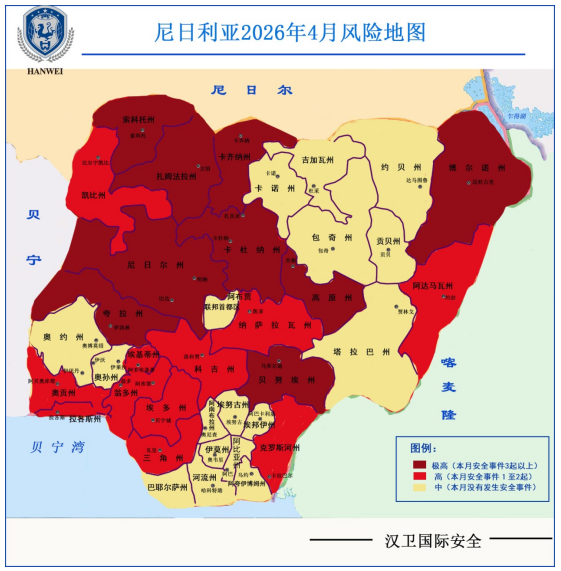
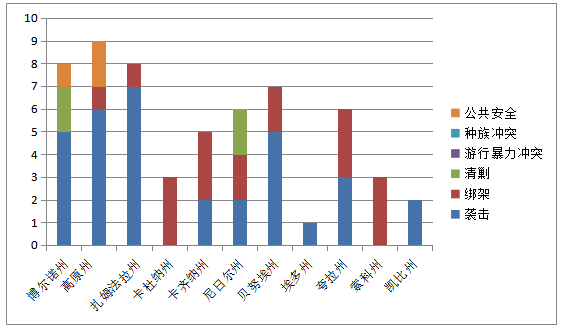
Security incidents were mainly concentrated in Borno State (northeast), Benue and Plateau States (central), and Katsina and Zamfara States (north-central). Niger State (north-central) and Kwara State (central) were also classified as high-risk areas, with Plateau State facing the highest threat level.
Plateau State recorded 9 security incidents this month, an increase of 3 from March, causing 70 deaths and 8 abductions. Amid escalating unrest, the Nigerian military launched a large-scale interception and search operation in Jos and surrounding areas in early April. Joint security forces set up checkpoints on major roads, community entrances and key nodes to screen vehicles and pedestrians, arresting multiple suspects and dismantling several armed supply routes.
In the northeast, the security situation in Borno State was further strained by threats issued by Boko Haram. On April 21, a Boko Haram faction issued a 72-hour ultimatum to the Nigerian government, demanding a ransom of 5 billion Naira, threatening to execute 416 detained hostages if unpaid.
Nigeria has long adhered to the principle of no ransom payments to terrorist organizations and no compromise on matters of principle, yet the ultimatum triggered widespread public panic. Media analysis warned the incident could exacerbate ethnic and religious divides and trigger more armed attacks and kidnappings.
April 17: Security conditions in central Nigeria tightened; risks rose in Abuja, Niger State and surroundings, with potential militant attacks on transport hubs, public facilities and key targets.
April 18: Armed groups planned attacks in Anambra, Imo, Abia, Rivers and Akwa Ibom States; enterprises and personnel advised to raise awareness, strengthen precautions, avoid non-essential travel and crowded sensitive areas, and maintain smooth information channels.
Figure 1: Distribution of Security Incidents in April
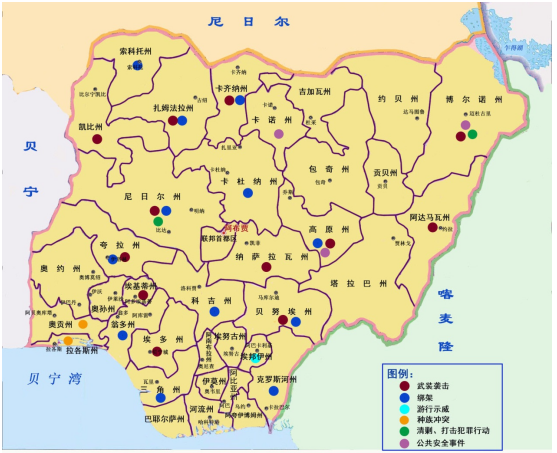
Table 1: Statistics of Security Incidents in Major Regions – April
(2) Armed Attacks and Kidnappings Remained Severe
Concentrated outbreaks during Easter. During the Christian Holy Week from March 29 to April 5, 23 armed attacks and kidnappings were recorded, killing around 150 people. On Easter Day alone (April 5), 7 armed attacks caused 61 deaths and multiple abductions. Hardest-hit states included Plateau, Benue, Kaduna, Nasarawa, Niger, Borno and Zamfara.
Rise in nighttime attacks. A total of 22 night raids were recorded in April, accounting for roughly one-third of all incidents. From late April 19 to early April 20, Plateau State suffered two consecutive armed attacks within one hour, killing at least 6 and injuring 8. Militants struck Hurum Community in Barkin Ladi at around 22:00, causing 4 deaths; one hour later, a neighboring community was attacked, leaving another 2 dead. Locals stated night raids catch residents off guard while asleep, usually resulting in higher casualties than daytime assaults.
(3) Two China-Related Incidents
Illegal mining arrest in Niger State. Nigerian mineral authorities arrested two Chinese nationals during routine law enforcement operations at the Zuzugi mining site in Katsina Local Government Area on suspicion of illegal mining. The two were transferred to the Nigeria Immigration Service pending investigation and prosecution.
COVID-19 confirmed case in Rivers State. A Chinese expatriate tested positive for COVID-19 and remains in stable condition under treatment. Rivers State activated an emergency response team for contact tracing, registration and quarantine of close contacts.
(4) Multiple Casualties from Public Safety Incidents
April 11: Nigerian Air Force airstrike targeting suspected terrorist hideouts mistakenly hit a rural market on the border of Borno and Yobe States, killing at least 30 civilians. Local media reported up to 200 deaths, which the military denied. The incident drew attention and condemnation from Amnesty International; the Nigerian government has ordered a full investigation.
April 27: A fuel tanker lost control, crashed off a bridge and exploded in Endem Community, Ogoja Local Government Area, Cross River State, killing 14 people. The accident occurred beside a stream used daily by residents for drinking and washing, resulting in heavy casualties.
167 new suspected cases across 91 local government areas in 22 states
Cumulative: 4,002 suspected cases, 685 confirmed cases, 170 deaths
Case Fatality Rate (CFR): 24.8%, exceeding 18.7% in the same period last year
(5) Sustained Military Counter-Terrorism Operations
Nigerian military and police intensified counter-terrorism crackdowns in the northeast, central and north-central regions this month, killing 137 terrorists and rescuing 20 abductees.
April 7: Joint forces of the military, Department of State Services (DSS) and local volunteer defense forces foiled a large-scale armed attack in Niger State, repelling around 300 motorcycle-riding militants armed with heavy weapons through pre-set ambushes.
April 11: Joint security clearance operations in Shiroro, Niger State, killed 110 militants.
April 21: Nationwide coordinated operations rescued at least 11 abductees and arrested multiple armed suspects.
April 22: Troops under Sector 2 of Operation Hard Knock (Joint Task Force Northeast) repelled a coordinated Boko Haram attack in Kukareta Community, Damaturu Local Government Area, Yobe State, killing 24 militants and seizing large quantities of weapons and ammunition.
April 22: Troops of Operation Safe Haven raided an underground illegal firearms manufacturing hideout in Wandanu Village, Northern Langtang, Plateau State, arresting 2 suspects and seizing finished weapons and manufacturing equipment.
Kano State: Synchronized raids across 11 police divisions April 10–12, arresting 193 suspects.
Ogun State: Joint operation codenamed Secure Sagamu arrested 146 suspects.
Katsina State: Enhanced patrols and targeted raids solved 120 criminal cases, arresting 188 suspects and rescuing 12 hostages.
Table 2: Classification Comparison of Security Incidents – April
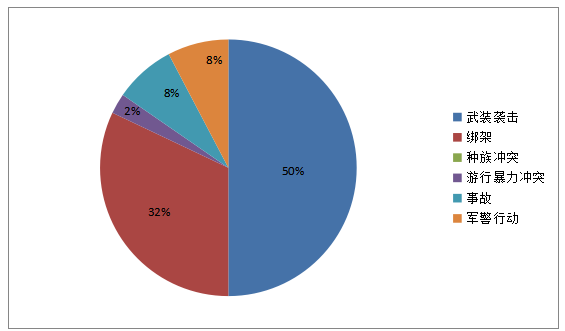
Table 3: Demographic Breakdown of Fatalities – April
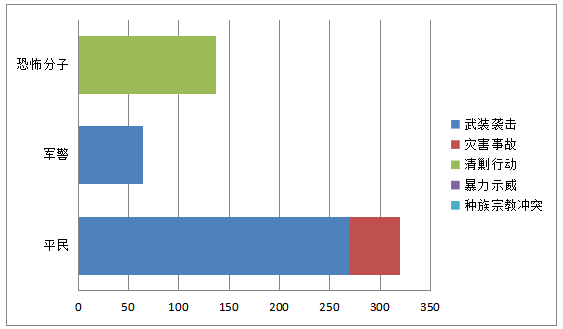
Table 4: Comparison of Major Security Incidents – April vs March
II. Risk Warnings & Prevention Recommendations
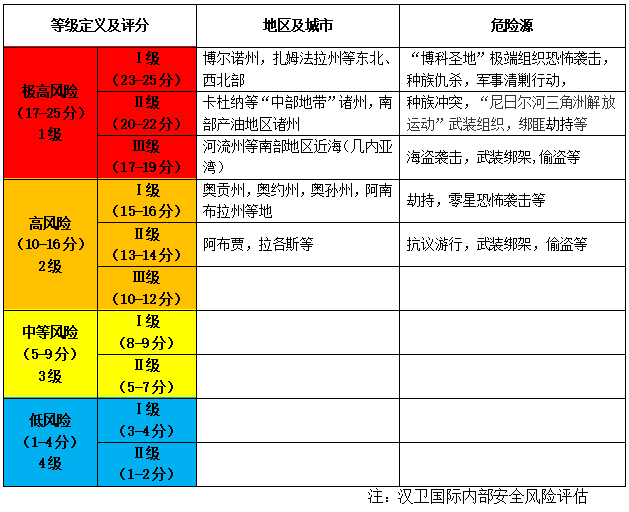
Table 5: Short-Term Social Security Risk Outlook for Nigeria
- Full-time security escort for all travel. Remote rural areas lack police coverage and poor road infrastructure; security forces often respond slowly to violent crimes and unrest. Chinese enterprises shall keep updated on local security intelligence, conduct pre-travel risk assessments, and arrange professional security escorts for all trips.
- Flood season safety precautions. Heavy rainfall and flooding hit Adamawa, Enugu, Kaduna, Kogi, Niger, Ogun, Oyo, Plateau, Taraba and Kwara States from mid-April. Cases of cholera, diarrhea, malaria and waterborne infections increased significantly. According to the Minister of Water Resources and Sanitation, 14,118 communities across 33 states and the Federal Capital Territory are designated high-risk flood zones; coastal Bayelsa, Delta, Lagos, Rivers and Ondo face riverine and coastal flooding threats. Chinese enterprises and personnel in Nigeria are advised to monitor flood developments and complete emergency preparedness.
- Effective risk avoidance. Most attacks are concentrated in the northeast and north-central regions, especially Maiduguri (central Borno), border areas with Niger, and Zamfara State. Security incidents also remain frequent in Kaduna State and Abuja.In the event of a terrorist attack, follow official instructions and contact designated security providers for timely assistance. Install surveillance cameras at compounds, business premises, warehouses and residences; equip camps with trenches, high walls, barbed wire, anti-collision barriers, buffer zones and alarm systems, and reinforce military-police security deployments.