Analysis of Nigeria’s Social Security Situation – March 2026
I. Comprehensive Analysis of Security Incidents
40 armed attacks (44%)
22 armed kidnappings (24%)
3 ethnic conflicts (3.3%)
6 public safety incidents (6.6%)
12 military clearance operations (13%)
6 demonstrations and protests (6.6%)
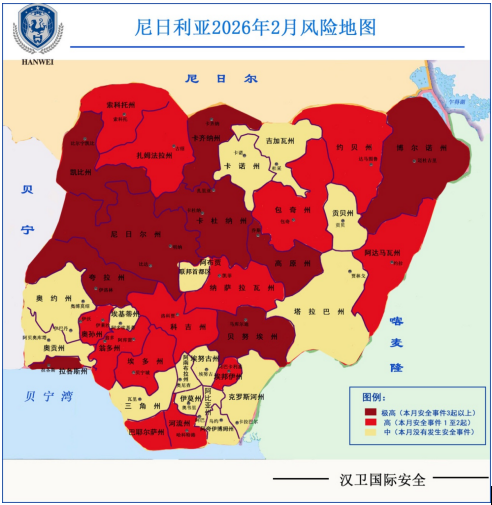
(1) Extremely High Security Risks in Northeast, Central and North-Central Regions
Borno State (Highest Risk): 13 security incidents, up 9 month-on-month; 46 dead and 301 abducted.
Katsina & Zamfara States: Each recorded 7 incidents, an increase of 3 and 5 respectively month-on-month, causing a total of 75 deaths and 20 abductions.
March 11: Terrorist groups planned attacks and kidnappings targeting foreign nationals around Kainji Lake in northwest Nigeria. Chinese citizens in the area were advised to strengthen precautions for personal and property safety.
March 14: Terrorist groups plotted to abduct Chinese nationals in Kebbi State, targeting Shanga, Ngaski, Sakaba and Bagudo. Chinese-funded enterprises and personnel were urged to tighten self-protection measures.
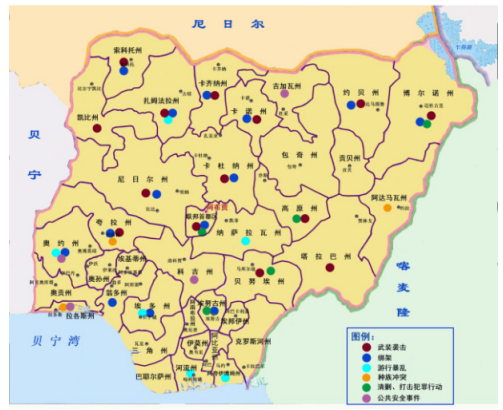
Figure 1: Distribution of Security Incidents in March
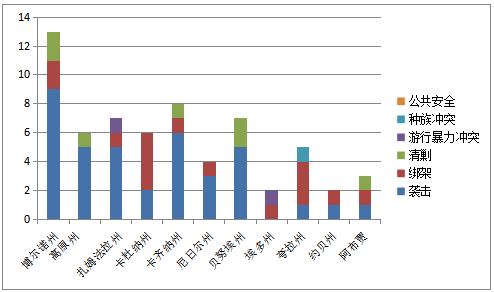
Chart 1: Security Incident Statistics by Major Region – March
(2) Persistently Frequent Armed Attacks and Kidnappings
March 1: Multiple forward operational bases in Borno State came under coordinated attack by Islamic State West Africa Province (ISWAP), killing 15 soldiers including one officer and wounding many others. Militants used PKT heavy machine guns, RPG rocket launchers, and explosive-laden armed drones for multi-directional suppression and aerial strikes. One recovered drone was confirmed modified as an explosive delivery platform.
March 5: Gunmen raided a border checkpoint in Bagudu Local Government Area, Kebbi State, killing 2 police officers.
March 5–6: Four military bases in Borno State were simultaneously attacked by ISWAP militants, leaving over 40 soldiers dead, multiple tanks and military vehicles burned, and large quantities of ammunition looted. After the attack, Lieutenant General Waidi Shaibu, Chief of Army Staff, rushed to Maiduguri, capital of Borno State, to oversee emergency response.
March 25: Security forces on duty in Kebbi State were ambushed, killing 13 people including 11 soldiers, 1 policeman and 1 civilian, injuring multiple troops and burning several vehicles.
March 6: Over 300 people abducted in Ngoshe Town, Borno State.
March 9: Armed bandits disguised as women raided a village in Sokoto State, killing 1 and abducting 5.
March 14: 5 foreign miners abducted at a gold mine in Alafa Village, Maru Local Government Area, Zamfara State.
March 18: 5 staff abducted in an attack on the Cocoa Research Institute in Oyo State.
March 22: 8 people abducted in an armed raid on a church in Kwara State.
March 28: 6 medical workers abducted in an attack on a medical centre in Okekebu, Akure City, Ondo State.
(3) U.S. Deploys Drones in Nigeria
(4) Major Casualties from Public Safety Incidents
March 14: A passenger bus collided head-on with a heavy trailer in Kogi State, leaving 6 dead and 9 injured; speeding was confirmed as the preliminary cause.
(5) Intensified Military Counter-Terrorism Operations
March 3: Multiple precision airstrikes by the Nigerian Air Force’s Operation Hardin Kai killed 50 militants in Guozha Local Government Area, Borno State.
March 13: Troops repelled a coordinated ISWAP attack in Yobe State, killing around 20 gunmen.
March 19: A new round of clearance operations in Plateau State arrested 53 suspects linked to crimes and extremist groups.
March 23: Troops of Theatre Command 2’s Operation Vansan Yamma intensified raids on criminal and militant hideouts in Sokoto, Zamfara and Kebbi States, killing at least 6 bandits and seizing weapons and communication equipment.
March 7: Cross River State announced a full ban on illegal mining and 24-hour patrols to curb security and environmental risks.
March 28: Edo State police arrested 58 suspects at an illegal gold mining site.
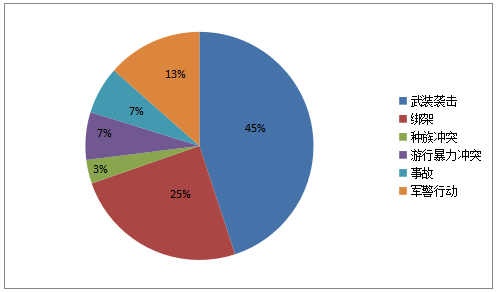
Chart 2: Classification Comparison of March Security Incidents
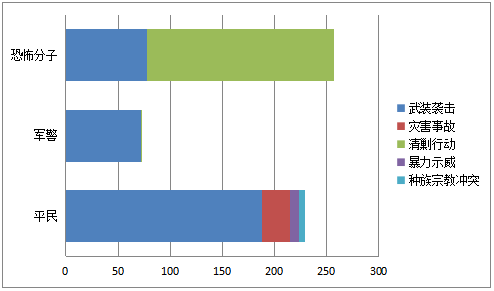
Chart 3: Statistical Breakdown of Fatalities by Category – March
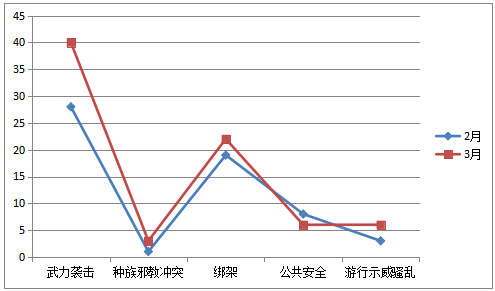
Chart 4: Comparison of Major Security Incidents – March vs February
II. Risk Early Warning & Prevention Recommendations
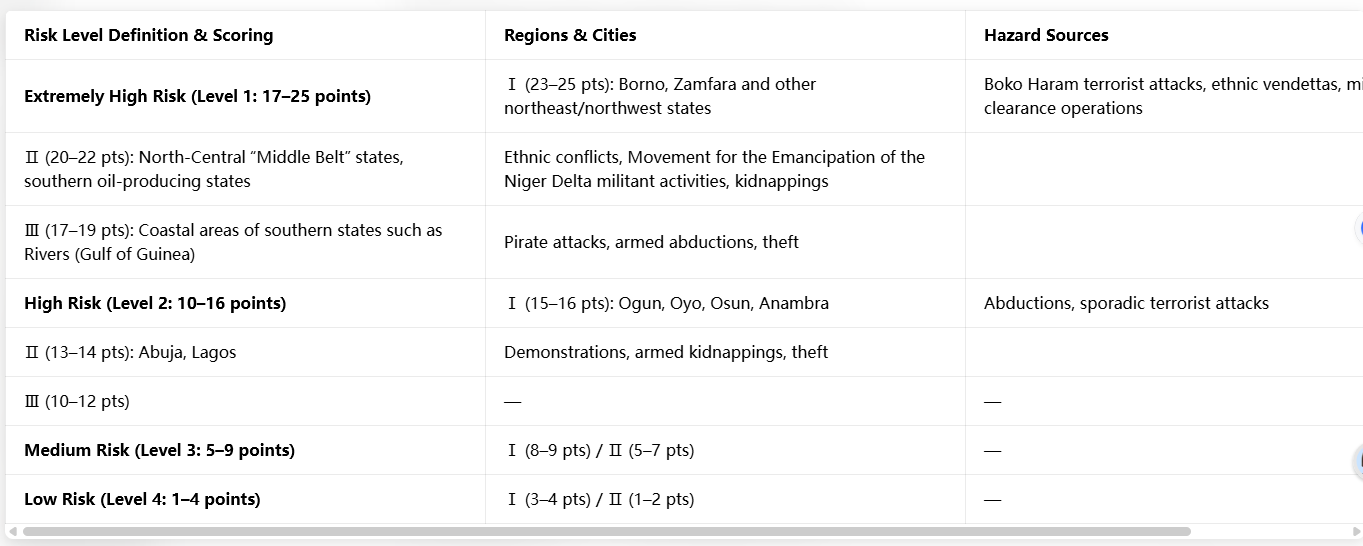 Note: Internal security risk assessment by Hanwei International
Given Nigeria’s complex social environment and high-risk security rating, the following preventive measures are recommended:
- Full-time security escort for all travel. Police deployment is limited in remote rural areas, road infrastructure is poor, and security forces often respond slowly to violent crimes and unrest. Chinese-funded enterprises shall keep updated on local security intelligence, conduct targeted risk assessment for destinations, and arrange armed security escorts for all trips.
- Heighten safety awareness during Easter. Easter is a major Christian festival in Nigeria. The federal government declared April 3 (Good Friday) and April 6 (Easter Monday) public holidays, with large-scale church gatherings, prayers and vigils expected. Amid ongoing armed attacks and kidnappings, Chinese enterprises and citizens in Nigeria are advised to reduce non-essential outings, upgrade security protocols, and safeguard personal and property safety. Nigeria’s Defence Headquarters has ordered nationwide military units to raise alert levels ahead of Easter and reinforced security deployments across the country to prevent festival-related security threats.
- Effective risk avoidance. Most attacks are concentrated in the northeast and north-central regions, particularly Maiduguri (central Borno), highways connecting major towns, border areas with Niger, and Zamfara State. Kaduna and Abuja have seen a recent surge in security incidents. In the event of a terrorist attack, follow official instructions and contact designated security service providers for timely assistance. Install CCTV at compounds, shops, warehouses and residences; equip camps with trenches, high walls, barbed wire, anti-collision barriers, buffer zones and alarm systems, and reinforce military and police guard deployments. Avoid lingering near potential militant targets including government and military facilities, landmark buildings and religious sites. Minimize stays in crowded public venues across northeast Nigeria, religious festival venues, multi-ethnic residential areas, high crime zones (especially highways and pirate-prone Gulf of Guinea waters), oil and gas installations, government compounds, military barracks, diplomatic missions, worship sites, schools, markets, refugee camps and transport hubs.