Summary of Nigeria's Security Situation in November 2025
I. Comprehensive Analysis of Security Incidents
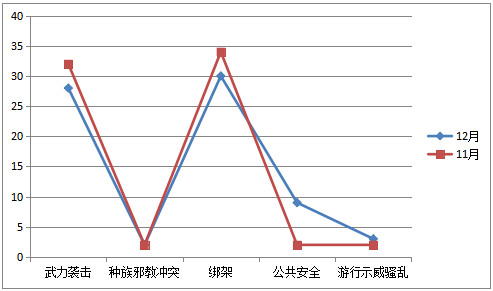
28 armed attacks (36% of the total)
30 armed kidnappings (38%)
2 ethnic conflicts (2.5%)
9 public safety incidents (11%)
5 military counter-terrorism operations (6.4%)
3 protests and demonstrations (3.8%)
Collectively, these incidents resulted in 308 deaths and at least 242 abductions. The fatalities included 182 civilians, 5 military/police personnel, and 121 neutralized terrorists. The overall security situation was characterized by the following key points:
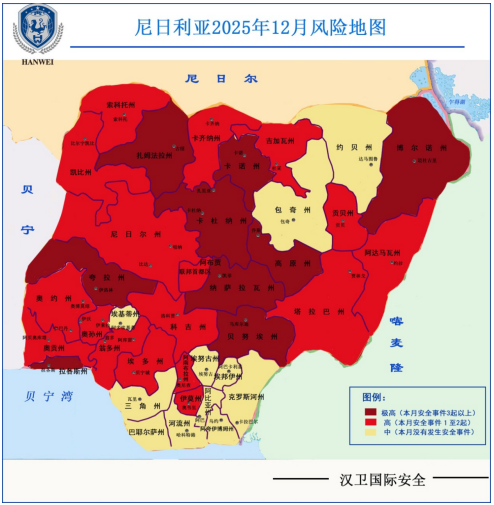
(1) Extremely High Security Risks in Central, Mid-western and Northeastern Regions
On December 13, they warned that Nigerian Islamic extremists were plotting attacks targeting Christian communities in Plateau State, Benue State, and Kaduna State during the Christmas period.
On December 27, a second alert was issued, designating the forested border area of Kwara State, Niger State, and Kogi State as a "Terror Triangle". The emerging terrorist group "Mahmuda" was planning retaliatory attacks in response to the arrest of its leader, making the area extremely high-risk. Chinese-funded enterprises and personnel in and around this region were advised to strengthen safety precautions.
In mid-December, a U.S.-based humanitarian organization also warned that armed groups might launch attacks in central and northern Nigeria during Christmas, with high-risk areas including Plateau State, Nasarawa State, Benue State, and Kaduna State.
Figure 1: Distribution Map of Security Incidents in December
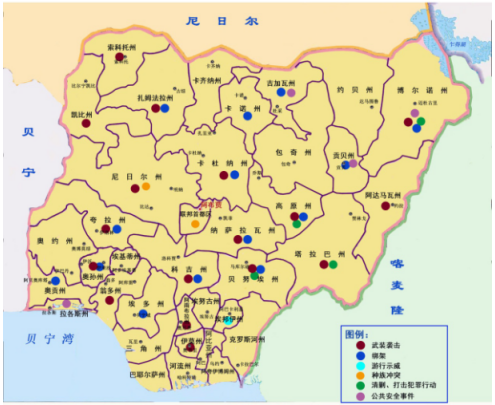
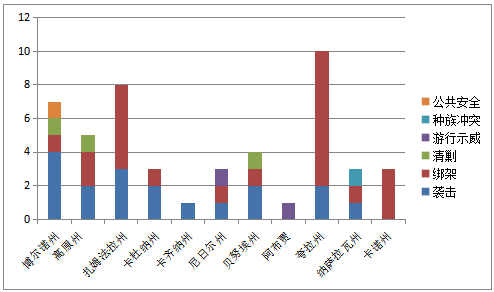
Table 1: Statistics of Security Incidents in Major Regions in December
(2) Persistent High Incidence of Armed Attacks and Kidnappings
Year-end and New Year period as a peak season for armed attacks: Statistics show that 23 armed attacks and kidnappings occurred around Christmas and the New Year period, accounting for 40% of the total. On Christmas Eve, armed groups attacked a farm and a community in Benue State, killing 7 people and abducting many others. On the same night, a mosque in Gamboru, Maiduguri—the capital of northeastern Borno State—was hit by a bombing, killing 10 worshippers and injuring 35.
Active operations by various terrorist organizations and criminal gangs: In northeastern Borno State and other areas, groups such as Boko Haram and the Islamic State West Africa Province (ISWAP) continued to carry out attacks. On the night of December 1, Boko Haram militants raided a community in Borno State, abducting 8 local residents. On December 29, Boko Haram attacked the Zahi and Muban communities in Adamawa State, killing at least 14 people and injuring 2 others.
Additionally, the Economic Community of West African States (ECOWAS) announced in mid-December the establishment of a Joint Counter-Terrorism Force to address the growing threats of terrorism and cross-border security challenges. Comprising personnel from 15 member states, the force will focus on combating terrorist organizations, armed insurgents, and cross-border cybercrime. It will enhance the region's overall response capacity to terrorist attacks and armed violence through intelligence sharing, joint military operations, and rapid response mechanisms.
(3) U.S. Military Strike on Northwestern Nigeria
After the strike, Nigeria's Ministry of Foreign Affairs confirmed that the air raid was part of Nigeria-U.S. security cooperation, authorized by President Bola Tinubu, with intelligence shared between the two sides. However, Nigerian citizens argued that the U.S. operation could further complicate the security situation and fail to address the root causes of domestic security issues. Some analysts warned that armed militants might relocate or infiltrate into Niger State, Kaduna State, Kwara State, and southwestern regions in the aftermath of the airstrike, potentially spreading armed attacks to more areas. Religious leaders called on the federal government to terminate all military cooperation with the United States, asserting that U.S. intervention would exacerbate religious divisions in Nigeria and undermine national sovereignty.
(4) Heavy Casualties Caused by Public Safety Incidents
Compared with the previous month, suspected cases increased by 485, confirmed cases rose by 102, and deaths increased by 17. Currently, the outbreak is concentrated in Ondo State, Edo State, Taraba State, and Bauchi State, which account for 67% of all confirmed cases nationwide.
(5) Intensified Military Counter-Terrorism and Crime Crackdowns
Neutralized 2,351 terrorists, rescued 2,336 abducted individuals, arrested 4,375 suspects, and accepted the surrender of 1,616 terrorists and their family members.
In the northeast region: Eliminated several terrorist leaders, arrested 1,323 suspects, rescued 498 hostages, and seized a large quantity of weapons and ammunition, vehicles, and 32 million Naira in cash.
In the northwest region: Arrested 669 suspects and rescued 966 abducted people.
In the north-central region: Through Operation "Enduring Peace" and Operation "Whirlwind", arrested 802 suspects, rescued 217 abducted individuals, and seized a batch of weapons and ammunition.
In the Niger Delta region: Operation "Delta Safe" neutralized 778 criminals, rescued 53 abducted people, foiled an oil theft case worth 8.9 billion Naira, dismantled 503 illegal oil refineries, and recovered over 16.6 million liters of crude oil, 1.25 million liters of diesel, 407,734 liters of kerosene, and 1.5 million liters of gasoline.
In the southeast region: Effectively suppressed the activities of the Indigenous People of Biafra (IPOB)/Eastern Security Network (ESN), neutralizing dozens of extremists, arresting 324 suspects, and rescuing 64 abducted individuals.
Table 2: Classification and Comparison of Security Incidents in December
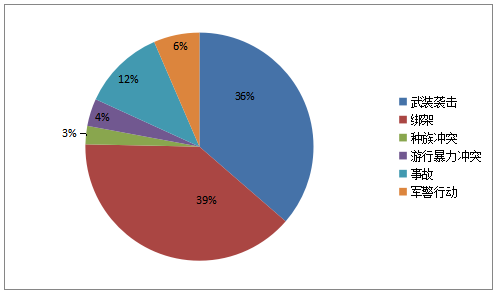
Table 3: Classification Statistics of Fatalities in December
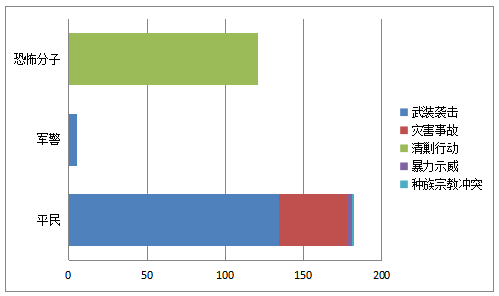
Table 4: Comparison of Major Security Incidents in December vs. November
II. Risk Warnings and Prevention Recommendations
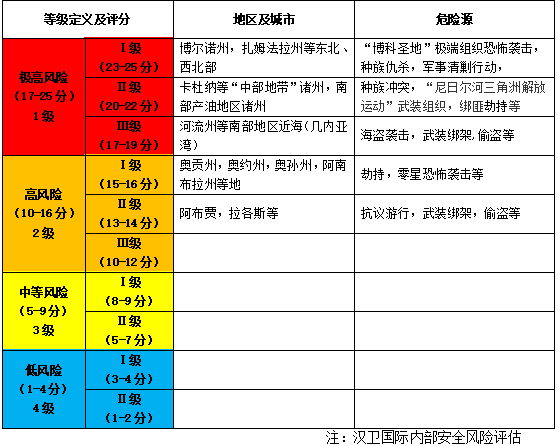
Table 5: Recent Social Security Risk Warnings for Nigeria
- Implement round-the-clock security services for all tripsPolice presence is limited in Nigeria’s remote rural areas, coupled with poor road infrastructure. Security forces often exhibit significant response delays to violent crimes, riots and conflicts. Therefore, Chinese-funded enterprises and other entities shall obtain the latest local security intelligence in a timely manner, conduct specific security assessments of travel destinations, and arrange for security personnel to accompany all trips.
- Stay vigilant against the severe and complex security situationThis month coincided with Christmas and New Year’s Day, and the U.S. military strike on Nigeria has further complicated the already severe security landscape, with armed attacks and kidnappings remaining rampant. On December 3, the Embassy of the People’s Republic of China in Nigeria and the Consulate General in Lagos issued a security alert via the official embassy website, urging Chinese citizens in Nigeria to strengthen safety precautions. The alert noted that Nigeria is facing a severe and complex security situation recently, with frequent occurrences of violent incidents such as terrorist attacks, armed kidnappings, protests, demonstrations and riots across the country, leading to an overall high security risk. Chinese-funded enterprises and citizens in Nigeria must attach great importance to personnel safety, learn from past lessons, guard against complacency and luck, conduct comprehensive inspections to identify potential security risks, enhance security awareness, upgrade security levels for personnel and premises, and ensure the safety of personnel and property. In case of emergency security incidents, please call the police immediately and contact the Chinese embassy or consulate.
- Effectively avoid potential risksMost attacks in Nigeria occur in the northeastern and north-central regions, especially in central Maiduguri of Borno State, roads connecting major towns, border areas with Niger, and Zamfara State. Security incidents have also occurred frequently in Kaduna State and Abuja recently. In the event of a terrorist attack, follow official instructions immediately, contact the designated security service provider, and seek rescue without delay. Install video surveillance systems at residential compounds, shops, warehouses and dwellings. Camps should be equipped with security facilities such as trenches, high walls, barbed wire, anti-collision barriers, buffer zones and alarm systems, reinforce military and police security forces, and expand the scope of defense. At the same time, avoid lingering near locations that may be targeted by armed attacks, including government and security force facilities, landmark buildings and religious sites. In Nigeria, it is particularly important to minimize the time spent in crowded public places in the northeastern region, religious festival venues, ethnically mixed areas, high-crime zones (especially highways and piracy-prone areas in the Gulf of Guinea), oil and gas facilities, government and military camp facilities, diplomatic embassies, religious places of worship, schools, markets, refugee camps, and public transportation hubs.